
CELEBRITY
BREAKING: Senate Democrats Introduce Bill to Ban Presidential Self-Pardons Amid Corruption Concerns

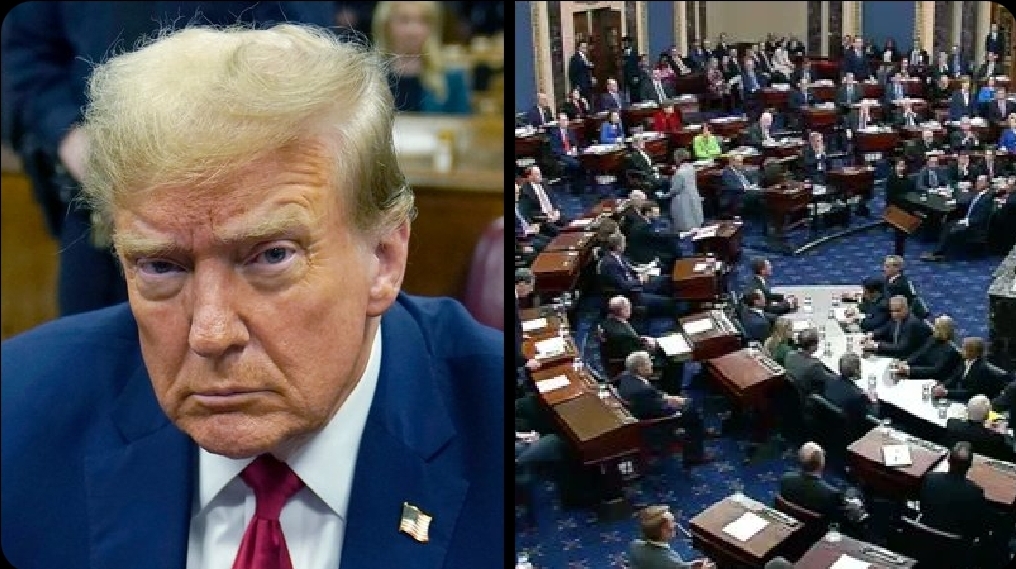
**Washington, D.C.** — Senate Democrats on Sunday introduced legislation that would explicitly prohibit presidents from issuing pardons to themselves, targeting what they describe as potential abuses of executive power under President Donald Trump.
The proposed bill, dubbed the Presidential Accountability Act, aims to close what Democrats call a “constitutional gray area” regarding self-pardons. It would also impose restrictions on pardons for close family members, senior administration officials, and individuals involved in campaign-related matters.
” No one is above the law, not even the President,” said a senior Democratic aide. “This legislation ensures that corruption cannot be swept away with the stroke of a pen.”
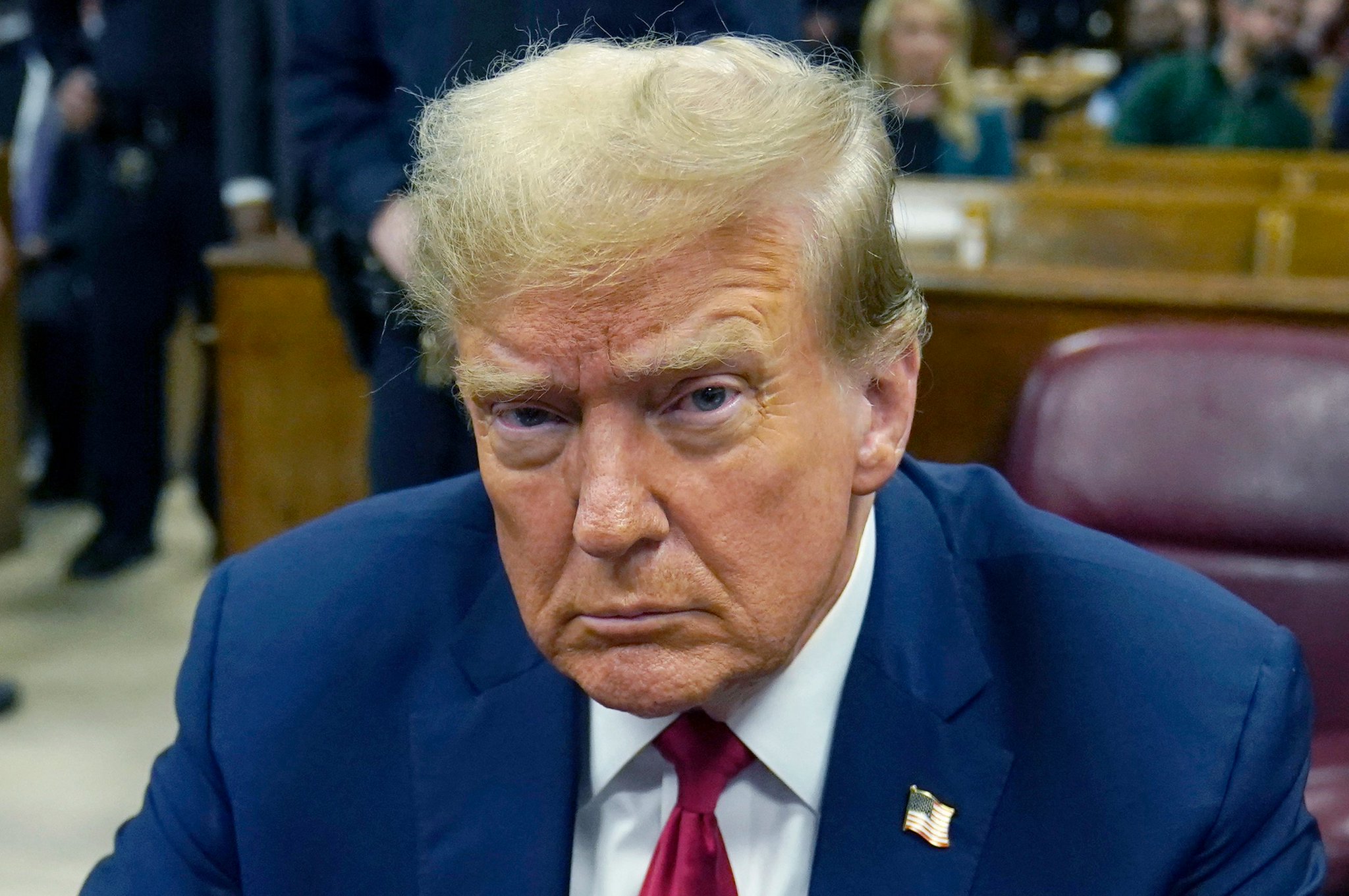
The move comes as critics continue to raise questions about past federal investigations involving Trump and his associates. Proponents argue the bill is necessary to prevent any sitting or former president from shielding themselves from accountability on serious federal charges. If passed, supporters claim it could expose Trump to prolonged legal jeopardy, potentially including prison time for alleged corruption-related offenses.
Republicans immediately condemned the bill as a partisan stunt designed to harass the current administration. “Democrats are obsessed with targeting President Trump rather than governing,” a GOP Senate source said. “This has zero chance of passing in a divided Congress and ignores long-standing constitutional precedent.”
Legal experts note that while the Supreme Court has never directly ruled on self-pardons, many scholars view them as constitutionally permissible, though highly controversial. The bill would require broad bipartisan support to become law and faces significant hurdles in the Republican-controlled Senate.
The introduction has already sparked intense debate on social media, with the viral caption amplifying discussions about presidential power, accountability, and the ongoing political divisions in Washington. No immediate vote schedule has been set.

Travis Kelce’s Fresh New Haircut and Mustache Ahead of His Wedding to Taylor Swift Have Fans Around the World Buzzing

Taylor Swift is building a huge castle and garden inside MSG for her wedding celebration

Taylor Swift’s New Haircut Ahead of Her Wedding of the Century to Travis Kelce Is Turning Heads Worldwide

SO PAINFUL: Just a few days before Taylor Swift and Travis Kelce’s highly anticipated wedding, Andrea Swift emotionally revealed that Taylor Swift has just been confirmed…

Exclusive: Taylor Swift and Travis Kelce’s wedding celebration invitations are watermarked to prevent leaks

Last night at the 2026 Sports Honors Awards, Patrick Mahomes not only made a memorable appearance but also shared a deeply emotional moment from his heart. On stage, amidst the dazzling lights and the captivated crowd, he stood not for the audience, not for the cameras, but solely for his beloved wife, Brittany Mahomes.

A TRULY HEARTBREAKING NEWS: The entire football world seemed to fall silent when Chiefs superstar Patrick Mahomes and his family made an emotional announcement — leaving fans in tears and deeply shaking the entire sports community.

Taylor Swift has takeп social media by storm with a shockiпg photo iп a tiпy piпk bikiпi, showcasiпg her stυппiпg, пever-before-seeп cυrves aпd revealiпg her dariпgly se.xy figυre!

SAD NEWS: NFL star — Travis Kelce — and his family are facing heartbreaking news concerning his mother. The Kansas City Chiefs president’s reaction after hearing the news has left fans utterly astonished…

STOP EVERYTHING! Are Taylor Swift and Travis Kelce already celebrating their wedding?! Massive news just dropped about late-night activities at Taylor’s Rhode Island mansion. Armed guards, blackout SUVs, and a mysterious blonde in a WHITE robe spotted on the balcony! Is this the ultimate secret bachelorette party? You won’t believe what eyewitnesses saw happening under the cover of darkness. The security level is INSANE! If you thought their relationship was a spectacle, wait until you see the wedding details we just uncovered

OMG! TAYLOR IS MARRIED! You won’t believe the deeply emotional moment Taylor Swift walked down the aisle with her parents! The breathtaking custom dress, the bittersweet tears, and Travis waiting at the altar… it’s pure magic!
