
CELEBRITY
SHOCKING: President Trump says if your cost of living goes up because he bombed Iran, it’s worth it as long as…

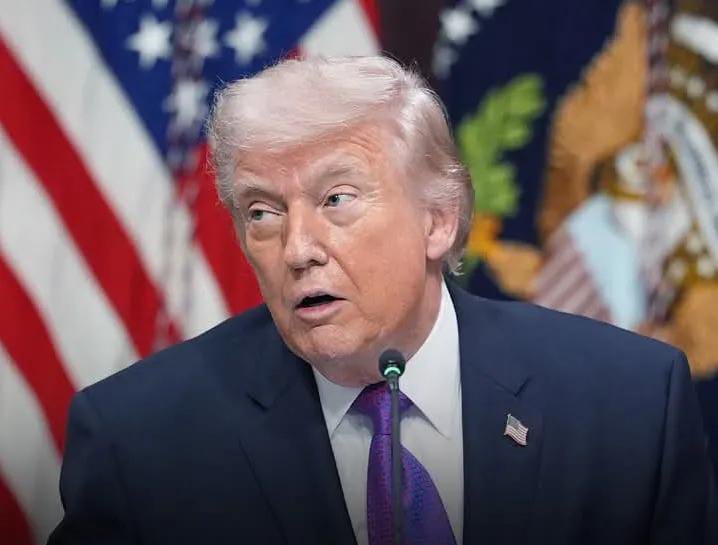
In the midst of escalating U.S.-Israeli military operations against Iran, President Donald Trump has sparked widespread controversy with remarks defending the economic fallout from the conflict.
Speaking to reporters amid reports of rising global oil prices and fears of inflation, Trump reportedly stated that any increase in Americans’ cost of living resulting from the strikes on Iran would be “worth it” provided Israel remains secure.
The comment, which quickly spread across social media with the caption “SHOCKING: 🇺🇸🇮🇱 President Trump says if your cost of living goes up because he bombed Iran, it’s worth it as long as Israel is safe,” has fueled intense debate over U.S. foreign policy priorities.
The ongoing campaign, dubbed Operation Epic Fury by some defense officials, involves joint U.S.-Israeli airstrikes targeting Iranian nuclear facilities, military bases, and leadership sites. Iran has retaliated with missile and drone attacks on Israel and U.S. regional assets, disrupting oil flows through the Strait of Hormuz and driving Brent crude prices above $80 per barrel in recent days.
Economists warn that sustained disruptions could push U.S. gasoline prices toward $3.50 per gallon or higher, exacerbating the cost-of-living pressures Trump campaigned against in his return to office. Analysts estimate the conflict’s direct costs to the U.S. could reach tens of billions in the short term, with broader economic impacts potentially totaling hundreds of billions if fighting prolongs.
The White House has emphasized the strikes as necessary to prevent Iran from acquiring nuclear weapons and to protect American allies, including Israel. Trump has pledged naval escorts for oil tankers and government-backed insurance to stabilize energy markets, insisting prices will eventually fall “even lower than before” once the objectives are met.

Critics, including Democratic lawmakers and some economic commentators, have accused the administration of prioritizing foreign commitments over domestic affordability. Social media reactions range from outrage over perceived disregard for American households to support from those who view the actions as essential for long-term regional stability.
As the conflict enters its second week, with no immediate end in sight, the president’s words have intensified scrutiny of how U.S. security interests abroad intersect with everyday economic realities at home.

BREAKING: Democrats Launch “Project 2029” to Pursue Jail Time for Trump, Family, and Administration Officials.

Breaking: Andrea Swift and Travis Kelce Have Just Disclosed That Taylor Swift Is…

BREAKING: Over 250,000 Americans Just Signed a Petition Called “Impeach Trump. Again” Asking Congress to Begin Impeachment Proceedings Against President Trump

BREAKING: US House Democrats Just 2 Votes Away from Impeaching Trump Before March 31 But Republicans has revealed that…

What Taylor Swift Said About Travis Kelce During Her ‘Pop Album of the Year’ Acceptance Speech Is Turning Heads Worldwide Right Now

Just 10 Minutes Ago at the 2026 iHeartRadio Awards, Taylor Swift’s Fiancé, Travis Kelce, Was Confirmed to Be…

Taylor Swift and fiancé Travis Kelce make their awards show debut at the 2026 iHeartRadio Music Awards months before wedding

Taylor Swift and Travis Kelce Just Stole the Spotlight with a Late iHeartRadio Arrival — But One Odd Detail Has Everyone Confused

Taylor Swift’s Noticeable Weight Gain Ahead of the iHeartRadio Music Awards Is Turning Heads Worldwide

Heartbreaking News: Just 15 Minutes Ago, Ahead of the iHeartRadio Music Awards, Taylor Swift Was Reportedly Confirmed at Her Residence — Fans Are Worried…

Taylor Swift’s Latest Photo Ahead of the iHeartRadio Music Awards Has Everyone Saying the Same Thing — Fans Have Noticed Something Very Interesting!
