
CELEBRITY
JUST IN: President Trump orders US Navy to escort oil tankers through the Strait of Hormuz if necessary to ensure the “free flow of energy.”

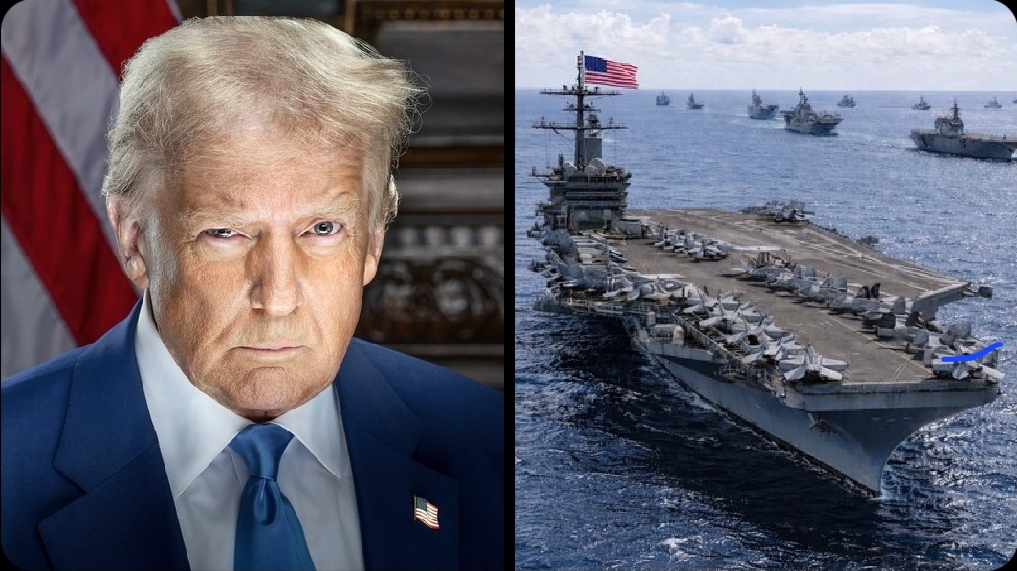
In a bold move amid escalating tensions in the Middle East, President Donald Trump announced Tuesday that the United States Navy is prepared to escort commercial oil tankers through the strategic Strait of Hormuz “if necessary” and “as soon as possible.”
The directive comes as shipping traffic through the narrow waterway — which carries about one-fifth of the world’s oil supply — has nearly halted following threats from Iran and recent military strikes involving the U.S. and Israel. Iran has warned of attacks on vessels attempting to transit the chokepoint, leading to skyrocketing war-risk insurance premiums and many tankers anchoring or rerouting.
In a post on Truth Social, Trump stated: “Effective IMMEDIATELY, I have ordered the United States Development Finance Corporation (DFC) to provide, at a very reasonable price, political risk insurance and guarantees for the Financial Security of ALL Maritime Trade, especially Energy, traveling through the Gulf. This will be available to all Shipping Lines. If necessary, the United States Navy will begin escorting tankers through the Strait of Hormuz, as soon as possible.”
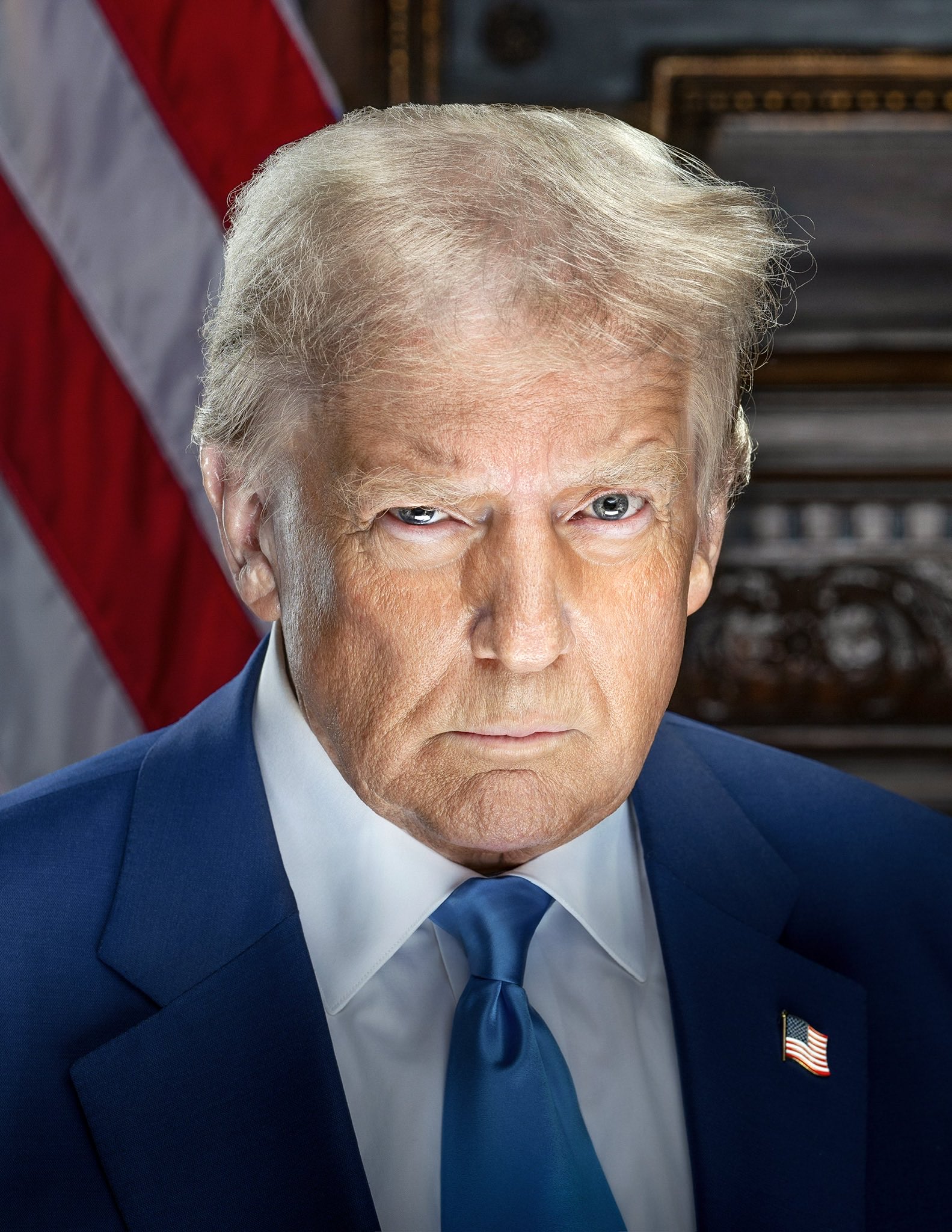
The president emphasized the U.S. commitment to global energy security, declaring, “No matter what, the United States will ensure the FREE FLOW of ENERGY to the WORLD.”
The announcement follows days of heightened conflict, including U.S.-Israeli strikes on Iranian targets and Iranian threats to close the strait or target shipping. Oil prices, which had surged amid fears of supply disruptions, eased slightly after Trump’s statement, though analysts warn volatility remains high.
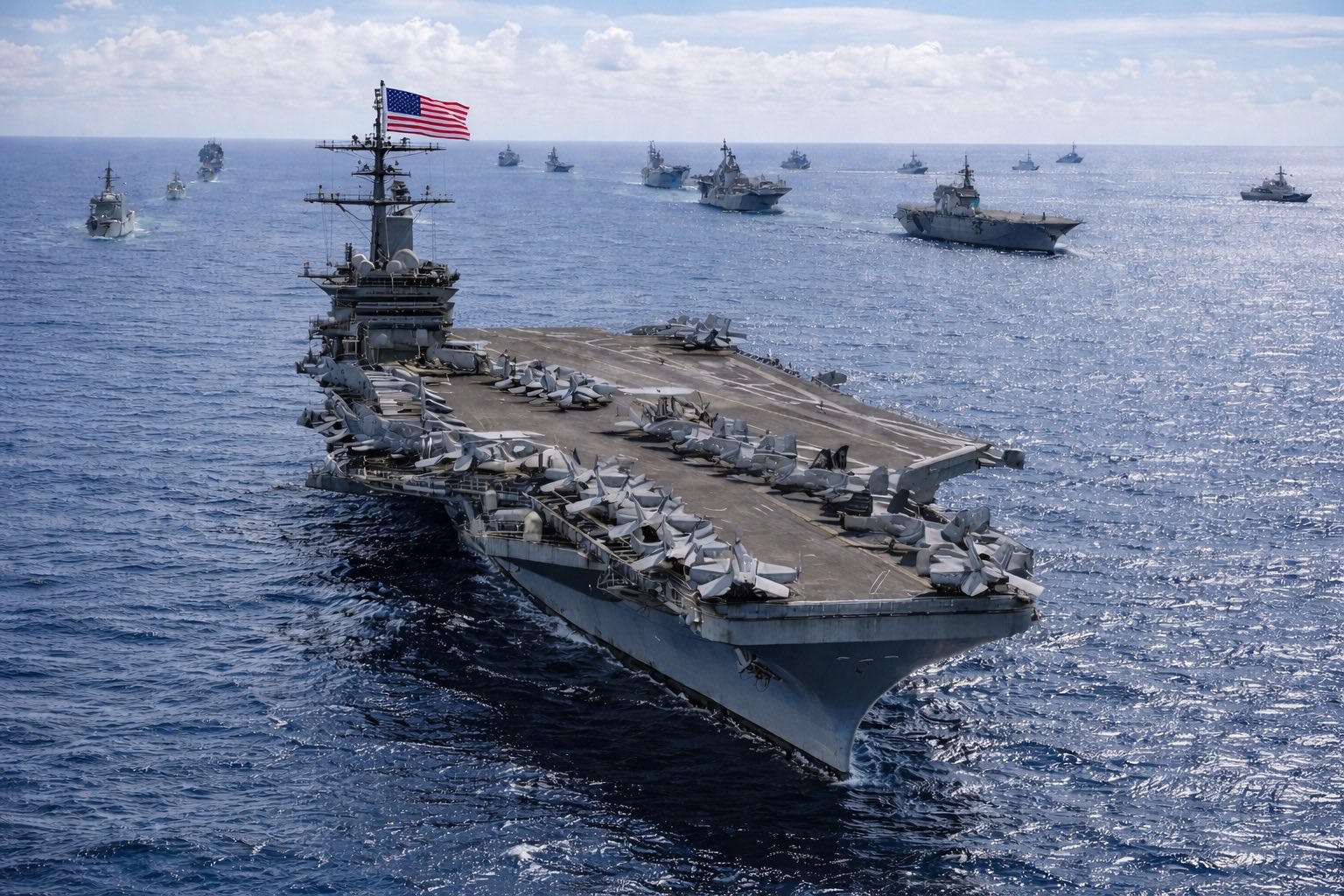
The move recalls historical U.S. operations, such as naval escorts during the 1980s Iran-Iraq “Tanker War,” when Washington reflagged Kuwaiti vessels and provided protection.
Administration officials have not detailed which Navy assets would be deployed or an exact timeline, but the policy aims to restore confidence for shippers and stabilize energy markets. Critics question the risks of direct U.S. involvement, while supporters praise it as decisive leadership to prevent a broader energy crisis.
The White House has indicated further steps may follow as the situation develops.

Breaking: Andrea Swift and Travis Kelce Have Just Disclosed That Taylor Swift Is…

BREAKING: Over 250,000 Americans Just Signed a Petition Called “Impeach Trump. Again” Asking Congress to Begin Impeachment Proceedings Against President Trump

BREAKING: US House Democrats Just 2 Votes Away from Impeaching Trump Before March 31 But Republicans has revealed that…

What Taylor Swift Said About Travis Kelce During Her ‘Pop Album of the Year’ Acceptance Speech Is Turning Heads Worldwide Right Now

Just 10 Minutes Ago at the 2026 iHeartRadio Awards, Taylor Swift’s Fiancé, Travis Kelce, Was Confirmed to Be…

Taylor Swift and fiancé Travis Kelce make their awards show debut at the 2026 iHeartRadio Music Awards months before wedding

Taylor Swift and Travis Kelce Just Stole the Spotlight with a Late iHeartRadio Arrival — But One Odd Detail Has Everyone Confused

Taylor Swift’s Noticeable Weight Gain Ahead of the iHeartRadio Music Awards Is Turning Heads Worldwide

Heartbreaking News: Just 15 Minutes Ago, Ahead of the iHeartRadio Music Awards, Taylor Swift Was Reportedly Confirmed at Her Residence — Fans Are Worried…

Taylor Swift’s Latest Photo Ahead of the iHeartRadio Music Awards Has Everyone Saying the Same Thing — Fans Have Noticed Something Very Interesting!

Travis Kelce Finally Breaks His Silence on Fiancée Taylor Swift’s Latest Gym Photos — Fans Notice a Surprising Change Ahead of the iHeartRadio Music Awards
