
CELEBRITY
BREAKING NEWS: U.S. Congress just PASSED a resolution that would BAR President Trump from launching ANY further military actions against Iran without explicit congressional AUTHORIZATION

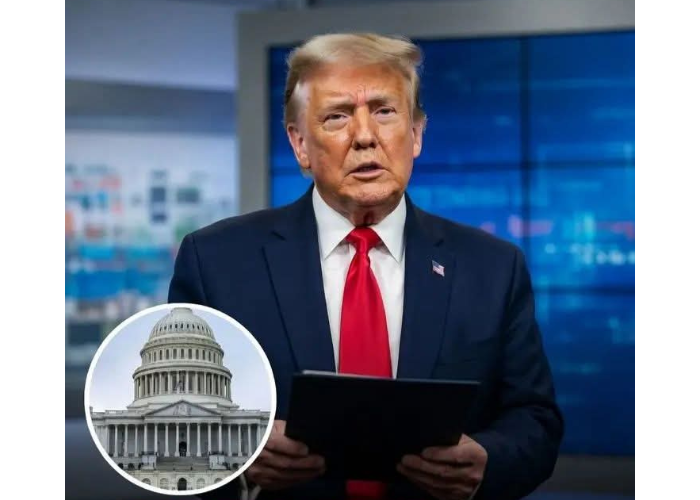
Washington, D.C. – March 3, 2026 – In a rapidly escalating response to President Donald Trump’s unilateral military strikes on Iran, bipartisan lawmakers in both the House and Senate are pushing forward with a War Powers Resolution aimed at reasserting congressional authority over future U.S. military engagements in the region.
The resolution, spearheaded by figures including Reps. Ro Khanna (D-CA) and Thomas Massie (R-KY) in the House, and Sen. Tim Kaine (D-VA) in the Senate, would direct the president to halt any ongoing or additional hostilities against Iran unless explicitly authorized by Congress through a declaration of war or specific statutory approval. It invokes the 1973 War Powers Resolution, which requires presidents to seek congressional consent for sustained military actions beyond limited defensive responses.
The push comes after U.S. forces, in coordination with Israel, launched major strikes on February 28 targeting Iranian military sites, missile facilities, and command structures—actions President Trump described as part of a “massive and ongoing” operation. The strikes, which reportedly resulted in significant casualties including the death of Iran’s Supreme Leader Ayatollah Ali Khamenei, were carried out without prior congressional authorization or a formal declaration of war.
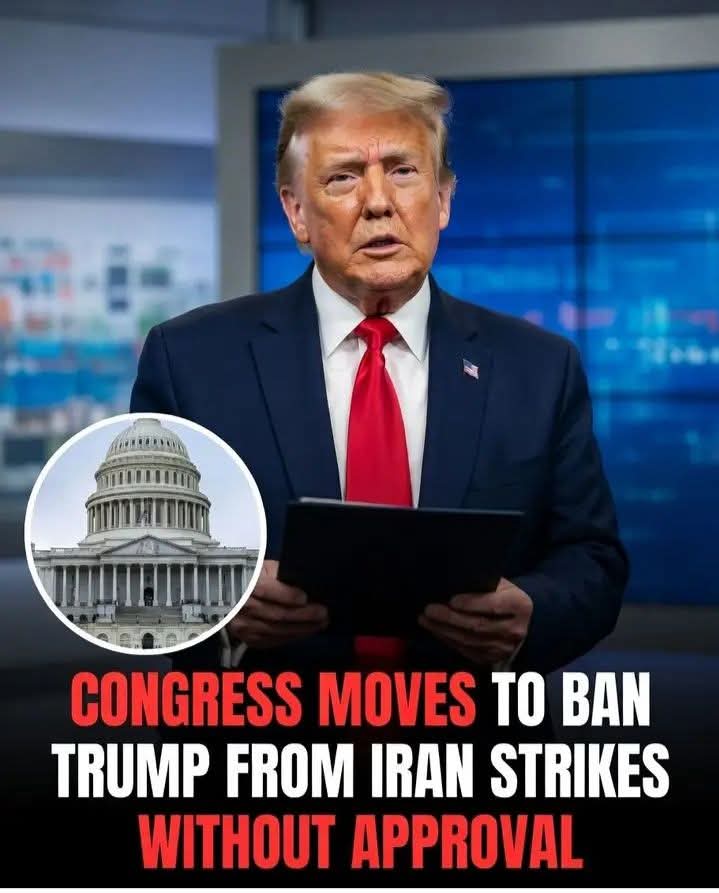
Critics, including many Democrats and some Republicans, have called the moves “illegal” and “unconstitutional,” arguing that only Congress holds the power to declare war under Article I of the Constitution. House Minority Leader Hakeem Jeffries (D-NY) and Sen. Elizabeth Warren (D-MA) have urged immediate votes to prevent escalation into a broader conflict. Supporters of the resolution warn that unchecked presidential action risks drawing the U.S. into a prolonged Middle East war.
House Speaker Mike Johnson (R-LA) and other Trump allies have pushed back, calling efforts to limit the president’s authority “dangerous” and “frightening,” and arguing that the commander-in-chief must retain flexibility to address threats. The resolution faces a steep challenge in the Republican-controlled chambers, where it would likely need a veto-proof two-thirds majority to overcome an expected presidential veto.
Votes in both chambers are anticipated as early as this week, amid closed-door briefings from administration officials. The outcome could set a critical precedent for executive war powers during Trump’s second term.
This developing story is being closely watched as tensions in the Middle East continue to rise, with Iran vowing retaliation and U.S. forces on high alert.

Breaking: Andrea Swift and Travis Kelce Have Just Disclosed That Taylor Swift Is…

BREAKING: Over 250,000 Americans Just Signed a Petition Called “Impeach Trump. Again” Asking Congress to Begin Impeachment Proceedings Against President Trump

BREAKING: US House Democrats Just 2 Votes Away from Impeaching Trump Before March 31 But Republicans has revealed that…

What Taylor Swift Said About Travis Kelce During Her ‘Pop Album of the Year’ Acceptance Speech Is Turning Heads Worldwide Right Now

Just 10 Minutes Ago at the 2026 iHeartRadio Awards, Taylor Swift’s Fiancé, Travis Kelce, Was Confirmed to Be…

Taylor Swift and fiancé Travis Kelce make their awards show debut at the 2026 iHeartRadio Music Awards months before wedding

Taylor Swift and Travis Kelce Just Stole the Spotlight with a Late iHeartRadio Arrival — But One Odd Detail Has Everyone Confused

Taylor Swift’s Noticeable Weight Gain Ahead of the iHeartRadio Music Awards Is Turning Heads Worldwide

Heartbreaking News: Just 15 Minutes Ago, Ahead of the iHeartRadio Music Awards, Taylor Swift Was Reportedly Confirmed at Her Residence — Fans Are Worried…

Taylor Swift’s Latest Photo Ahead of the iHeartRadio Music Awards Has Everyone Saying the Same Thing — Fans Have Noticed Something Very Interesting!

Travis Kelce Finally Breaks His Silence on Fiancée Taylor Swift’s Latest Gym Photos — Fans Notice a Surprising Change Ahead of the iHeartRadio Music Awards
