
CELEBRITY
BREAKING NEWS: In a decision that has paralyzed Washington, the U.S. Supreme Court has ruled that Donald Trump does not enjoy absolute immunity in the Jeffrey Epstein case. This resolution clears the way for the President to be formally subpoenaed, marking a historic precedent in 2026.


Washington, D.C. — The U.S. Supreme Court delivered a stunning ruling today, March 13, 2026, declaring that President Donald Trump holds no absolute presidential immunity for matters related to the long-running Jeffrey Epstein investigations.
The decision, stemming from disputes over pre-presidency conduct and ongoing document releases, removes a major legal barrier that had shielded the sitting president from compulsory testimony.
The 6-3 opinion clarifies that presidential immunity—affirmed in prior cases for official acts during tenure—does not extend to allegations or inquiries tied to actions before Trump entered office.
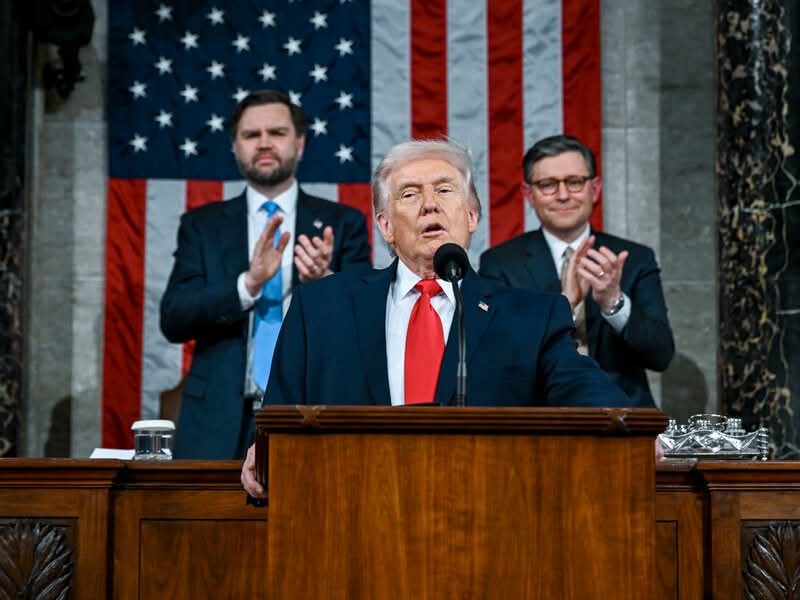
Legal experts note this directly addresses attempts to invoke broad immunity protections in connection with Epstein-related probes, including recently released FBI interview summaries alleging misconduct involving a minor introduced through Epstein.
“This is a landmark affirmation that no one, including a sitting president, stands above accountability for private conduct,” said one constitutional scholar familiar with the case.
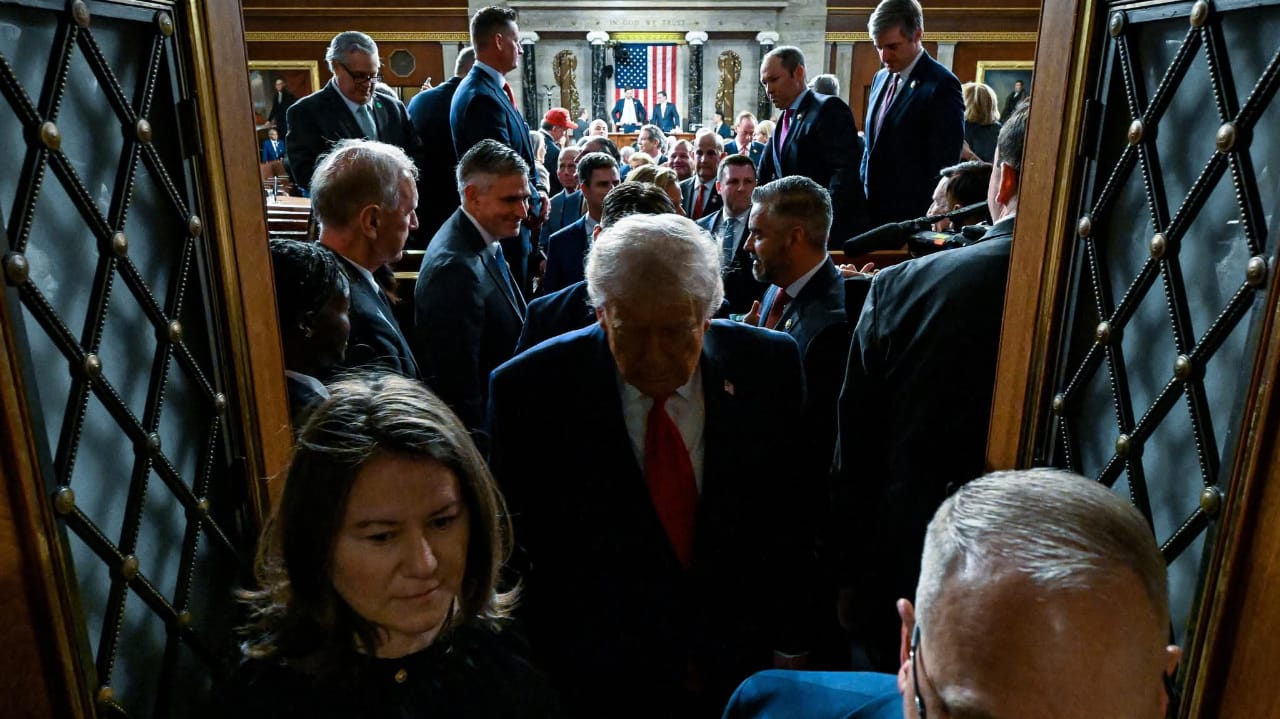
The ruling follows months of controversy surrounding the Epstein Files Transparency Act, signed by Trump in late 2025, which led to millions of pages of documents being made public—some containing allegations against him that Trump has repeatedly denied.
The immediate impact is profound: federal investigators and congressional committees can now move forward with subpoenas compelling Trump’s testimony or document production in Epstein-linked matters. Sources close to the Justice Department indicate preparations for formal service are underway, potentially within days.
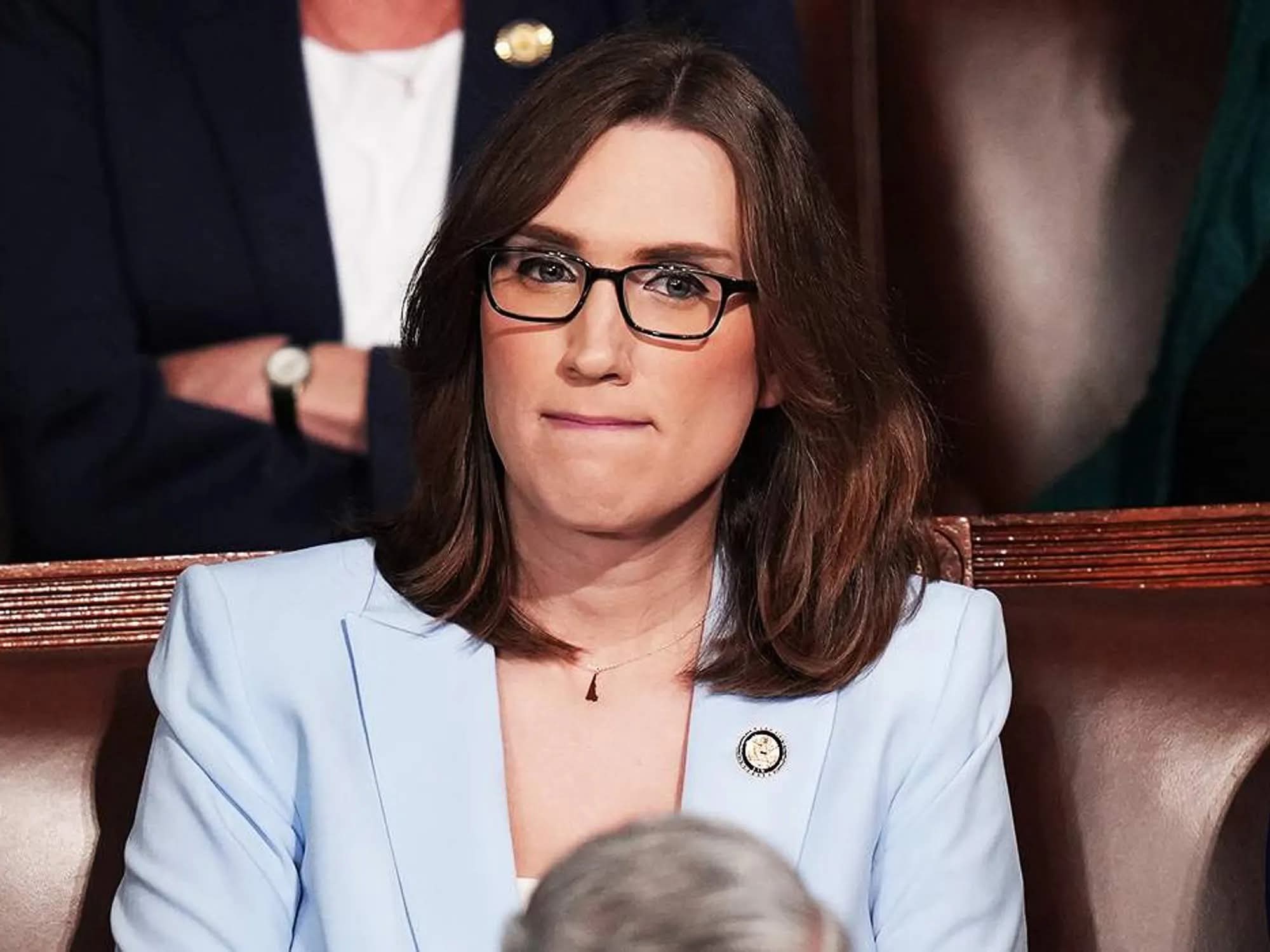
The decision has sent shockwaves through the capital, with White House officials expressing disappointment and vowing to explore remaining legal avenues. Congressional Democrats hailed it as a victory for transparency, while some Republicans criticized the timing amid ongoing political tensions.
Trump has consistently denied any wrongdoing in connection with Epstein, describing their past social acquaintance as distant and severed years ago. No criminal charges have been filed against him related to these allegations.
This ruling sets a significant precedent for the limits of executive immunity, ensuring that historical inquiries into high-profile figures remain unimpeded by claims of presidential protection for non-official acts. Further developments are expected as lower courts and investigators act on the Supreme Court’s guidance.

Kylie Kelce has made social media crazy with pictures of her at the beach wearing a pink bikini that is so tight and r*vealing that it almost exposes her pr*vate parts, showing off her extremely attractive figure like

BREAKING NEWS: Donald Trump delivers a razor-sharp five-word response after U.S. Congressman Jim McGovern calls him “mentally unstable, ill, and unfit to lead.” Trump didn’t launch into a lengthy rebuttal. He didn’t hold a press conference. He didn’t attempt to dissect the accusation point by point. Instead, he fired back with five carefully chosen words that instantly flipped the narrative and sent shockwaves through political circles.

Travis Kelce Breaks His Silence on Fiancée Taylor Swift’s Noticeable Weight Gain During Their Easter Date

JUST IN: Tucker Carlson says officials should refuse to follow President Trump’s orders, calling them “reckless” and…

BREAKING: Iran cancels all diplomatic and indirect channels of communication with the United States and announces the suspension of any and all message exchanges, following Trump’s latest threat

SAD NEWS: Washington in Meltdown as Joe Biden ‘Passed Away’ at the Imaginary Wing of Capitol Hill Multiverse Hospital 20 Minutes Ago

Taylor Swift’s New Haircut and Noticeable Weight Gain During Her Easter Date with Travis Kelce Are Turning Heads

BREAKING: DONALD J. TRUMP HAS REPORTEDLY DIED 15 MINUTES AGO AT WALTER REED HOSPITAL

BREAKING NEWS: Just 30 minutes ago, Patrick Mahomes and his wife Brittany Mahomes’ family confirmed some heartbreaking news…

SAD NEWS: 30 minutes ago, Patrick Mahomes heartbreakingly announced that his wife, Brittany, passed away in a traffic accident…

💔 JUST 15 MINUTES AGO: TAYLOR SWIFT FACES RARE HEALTH CRISIS — WHAT’S REALLY HAPPENING? FANS IN SHOCK … 😢
