
CELEBRITY
Serena Williams serves up racy look in skimpy bikini while on vacation in Bahamas

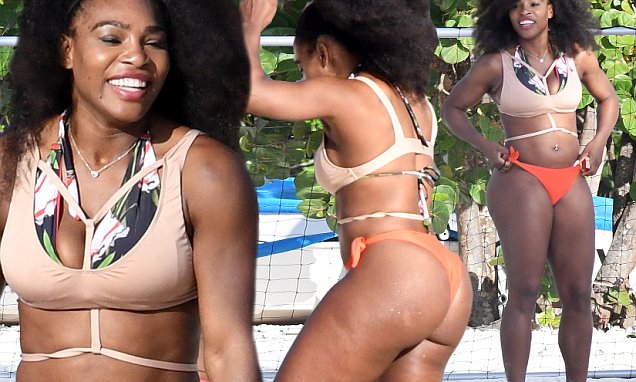
the 23-time grand slam champion was photographed soaking up the sun in the bahamas this week. serena wore a bright, colorful bikini while spending time in the water with her daughters, olympia and adira.
photos and clips shared online show serena laughing, swimming, and just enjoying mom life away from the spotlight. no press, no courts, just family time.
fans react to the glow
social media immediately lit up. comments flooded in calling serena “radiant,” “confident,” and “the definition of body positivity.”
“retired but still winning at life”
“this is what peace looks like”
“serena glowing in her mom era >>>”
for many fans, it was a reminder that serena has redefined what life after tennis can look like.
life after tennis
since stepping back from full-time competition, serena has focused on business, investing, and family. from her venture capital firm to her skincare brand, she’s building an empire off the court.
trips like this to the bahamas are part of that new chapter — prioritizing rest, joy, and time with the people who matter most.
serena hasn’t posted a long caption about the trip. she let the pictures do the talking. and the message was clear: she’s happy, healthy, and thriving.
why it matters
serena has spent 20+ years under intense scrutiny about her body, her game, and her choices. seeing her unapologetically enjoy vacation on her own terms hits different for fans.

Serena Williams drops never seen before super delicious Videos and Pictures of her big huge a**, …

YOU’RE NOT READY FOR THIS: Serena’s Iconic Old Clip Has The Internet Losing It.

Serena Williams serves up racy look in skimpy bikini while on vacation in Bahamas

photos of Serena Williams has just surfaced, leaving fans and the internet completely speechless.

It’s was a moment I am ashamed of, Serena Williams reveal a moment of p*ssy leak photo that is causing… see the p*ssy picture

This ‘Old Clip’ of Serena Williams Going Viral: “The Jiggle of Those Big Boulders Is Unreal.

Serena Williams Didn’t Even Try To Hide It In Sardinia. The Photo Has Fans Gasping. See Why Below

Taylor & Travis just brought the ultimate cozy date night outdoors..see more

BREAKING: Trump Just Got Officially Confirmed 30 Minutes Ago. One Picture Reveals The Truth.

It’s Official: Trump Confirmed Just 30 Minutes Ago. This Single Photo Will Leave You Speechless.

Fans are losing their minds over this throwback clip of Serena Williams that just surfaced, and nobody can look away from what happened.
